
Travel welding jobs can offer great flexibility and variety, but success requires more than weld skills alone. Understanding the reality of life on the road, the different project types you'll encounter, and what offshore and international assignments demand will help you build a sustainable career in this dynamic field.
Travel welding jobs can be rewarding, but it is not a vacation. You earn your freedom through test performance, consistent quality, and a reputation for showing up ready. If you like routine and predictability, road work may feel rough. If you like variety and can handle long stretches away from home, it can be a strong fit.
This path can lead to pipeline spreads, plant turnarounds, marine work, and even international roles, but the lifestyle and requirements vary widely. This guide explains what travel welding really looks like, how pipeline and shutdown work differ, what makes offshore environments more demanding, and what changes when you pursue overseas assignments.
What Travel Welding Jobs Actually Demand
The term "travel welding jobs" encompasses everything from multi-week pipeline spreads to long-term industrial turnarounds. The day-to-day experience varies significantly. What unites them is this reality: you're stepping into established teams with established rhythms, and your first week matters.
Most traveling welders are evaluated on three fundamentals:
- Test Performance: You must pass the required qualification on the first or second attempt. A failed test isn't just a setback; it can end your contract immediately.
- Collaboration and Site Discipline: Working around other trades, following specific site protocols, and respecting safety procedures when conditions are uncomfortable separate welders who get called back from those who don't.
- Consistency Under Pressure: Outdoor conditions, tight timelines, and repetitive work test your ability to produce the same quality over hours or days. A single significant rework can damage your reputation quickly.
If you need routine and predictability, travel welding jobs may create frustration. If you thrive on variety and can handle extended periods away from your established network, this path can be genuinely rewarding.
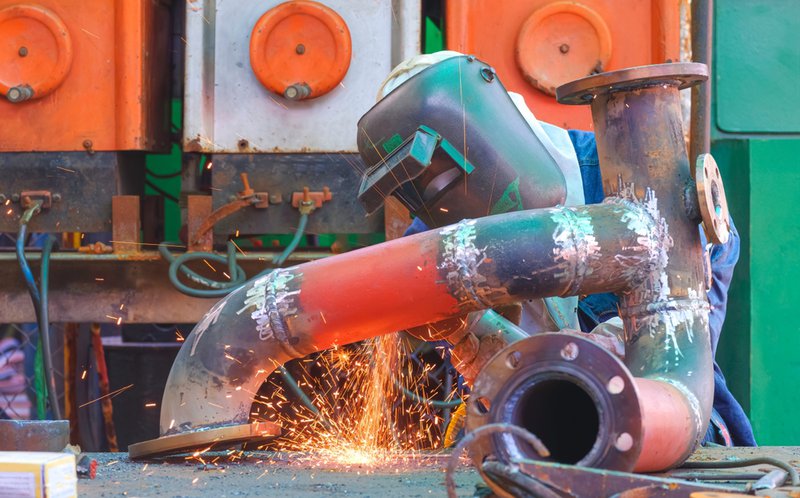
Pipeline Spreads vs. Plant Shutdowns: Understanding the Primary Work Types
Travel welding jobs typically funnel into two main categories, and understanding the difference helps you prepare adequately.
Pipeline Spreads
Pipeline projects reward rhythm and endurance. You'll often weld the same joint configuration repeatedly in outdoor conditions, which means:
- Production pace drives the schedule. The crew moves when the section is complete, not when everyone is fresh.
- Outdoor environment adds variables: weather, access challenges, and seasonal constraints.
- Repetition actually becomes an advantage once you dial in your technique.
- Work is often simpler procedurally but demands physical stamina and consistency.
Plant Turnarounds and Shutdowns
Refineries and industrial facilities schedule maintenance windows when production stops. These windows create temporary, intense demand for welding labor. You'll encounter:
- Tighter coordination with inspection personnel and other trades.
- Permit-driven work with less flexibility for procedure variation.
- Frequent scope changes mid-shift that require quick problem-solving.
- Higher documentation requirements and more frequent inspections.
Station and tie-in work sits between these two. It involves more fit-up variation, tighter access requirements, and greater scrutiny on procedure adherence, which rewards someone comfortable with problem-solving and precision over pure production pace.
Offshore and Marine: Controlled Environments, Higher Standards
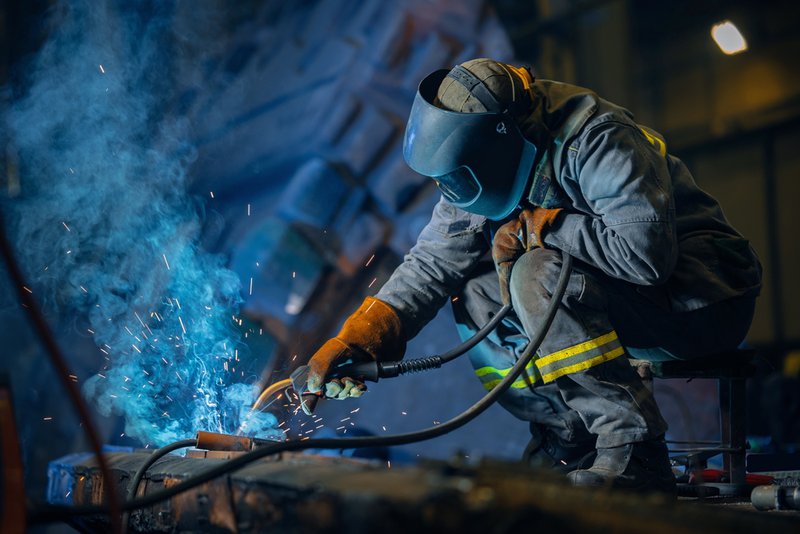
Offshore and marine welding carries a different weight. The work itself may not be technically harder, but the environment is fundamentally more controlled and the margin for error is much smaller.
Key characteristics of offshore environments:
- Safety protocols are non-negotiable and enforced consistently. A single violation can result in immediate removal from the site.
- Confined conditions demand both technical skill and the ability to work calmly in tight spaces with limited mobility.
- Complex logistics mean equipment, materials, and personnel are carefully coordinated. Delays or rework cascade across multiple teams.
- Higher consequences: failures impact not just the project but potentially crew safety and environmental risk.
A common misconception is that offshore work is the natural next step after land-based travel work. In reality, most welders build 2 to 5 years of tested experience on land first. Employers hiring for marine roles look for proof of consistent quality, successful inspections, and the ability to work within strict systems. Your experience becomes your hiring ticket.
Going Overseas: When Travel Welding Jobs Cross Borders
International opportunities exist, but the playing field changes significantly. Some routes lead through large contractors supporting energy infrastructure, shipyard work, or major construction projects. Others come through specialized employers seeking specific process expertise or inspection experience.
What actually changes when you go overseas:
- Local qualification requirements override your U.S. credentials, regardless of your experience or certifications.
- Different codes and standards apply. Some regions follow ISO frameworks, others align with AWS or ASME approaches, and individual project specifications often take precedence.
- Visa, work permit, and background check processes can be lengthy and uncertain.
- Site-specific medical clearance and safety certifications are separate from welding competency and are non-waivable.
- Reliability builds reputation faster internationally. On smaller or more connected sites, word about your work ethic travels quickly.
Realistic expectations matter here. You may need to retest despite your background. Your documentation may not transfer directly. The timeline from opportunity to first day on site can extend several months. Overseas work suits someone patient, adaptable, and genuinely interested in working within unfamiliar systems. It's a poor fit for someone who needs immediate stability or minimal administrative burden.
Building a Foundation Before Specializing
Travel welding jobs come in specialized flavors, each with unique demands. Pipeline work, offshore systems, pressure vessel fabrication, and international contracts all require base-level competency that applies across all of them: consistent joint quality, understanding of procedure documentation, and the ability to pass industry-standard tests under inspection.
Before pursuing any specialized travel work, you need solid fundamentals. You need to understand how to read a WPS, execute multiple positions, work with common electrode types, and maintain consistency under time pressure. You need to know why procedure variation matters and when deviation is acceptable versus when it's a defect.
Once you have the fundamentals, you can pursue advanced certifications, project-specific qualifications, and the experience that contractors hire for.
Building Your Travel Welding Career With Confidence
Travel welding jobs offer freedom and financial opportunity, but they're built on technical competency, reliability, and the ability to execute consistent work under inspection and pressure.
Start with the fundamentals. Take the time to learn properly in a classroom setting where feedback is immediate and mistakes don't affect a paying project. Build your test-passing skills, understand procedure documentation, and develop the confidence that comes from repetition and proven competency.
If you're ready to start that foundation, contact Arclabs Welding School to learn about our welding programs, class schedules, and how we can help you develop the skills that industries are actively seeking. Visit us at arclabs.edu for all locations or call 877-647-4111 to speak with an admissions advisor about your welding education options.

