
Pressure vessel fabrication demands more than a steady hand at the arc. Understanding the welding techniques that ensure both strength and compliance is what separates competent welders from those who truly master the trade.
Boilermaking is often called "heavy welding," but that misses the point. It is precision work with thick material, formed shapes, and joints that must survive inspection and service. When you weld a pressure vessel, every bead is made within a qualified procedure, using documented materials, and verified against a standard. The work is as much about control and discipline as it is about solid welding techniques.
What Boilermaking Actually Asks of a Welder
The foundation of successful welding techniques in boilermaking rests on understanding what happens before you ever strike an arc. Layout and fitting require accuracy. Joint preparation sets the baseline for penetration and fusion. Material traceability and cleanliness are not optional details. And welding techniques themselves must be repeatable, every time, because the code does not recognize excuses.
Most pressure vessel work in the U.S. falls under the ASME Boiler and Pressure Vessel Code (BPVC). That code exists because pressure vessels fail catastrophically if they fail at all. The regulations drive everything: material handling, weld qualification, inspection protocols, and the specific welding techniques you use on the job.
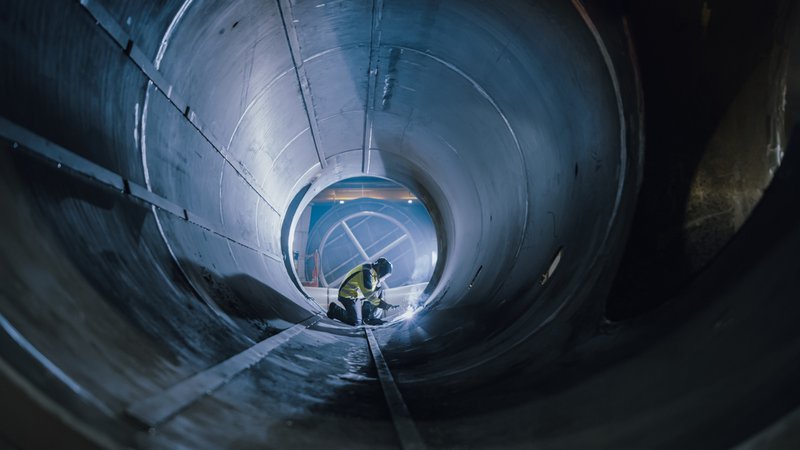
The Fundamentals: Joint Prep and Fit-Up
Before the arc, the outcome is already largely determined. Poor joint preparation forecloses good welding techniques. Good preparation opens the door.
On thicker sections, bevel angle, root opening, and land thickness must match your procedure because these dimensions directly control how heat flows, how the root fuses, and how each subsequent pass bridges the gap. A welder who understands joint geometry understands why two degrees of angle matters. A random bevel wastes time and risks incomplete fusion.
Fit-up discipline is equally non-negotiable. Consistent root opening prevents gaps that trap molten metal. Tight alignment means the first pass can be made with control instead of desperation. Tacks placed strategically prevent cracking and avoid trapping slag. This is the foundation of all good welding techniques in code work: a joint that is built right from the start.
Process Selection: Knowing Which Welding Technique Fits the Job
Different joint geometries, material thicknesses, positions, and access conditions all favor different welding processes. A boilermaker who understands when to use each process is more valuable than one who is expert in only one.
Common processes in pressure vessel fabrication:
- SMAW (Shielded Metal Arc Welding) provides access to tight spaces and works in less-than-ideal conditions. It is the versatile choice when position and geometry demand flexibility.
- GTAW (Gas Tungsten Arc Welding) offers superior control and is the standard for root passes on critical joints. It requires clean material and skilled technique but delivers predictable, high-quality fusion.
- FCAW (Flux-Cored Arc Welding) bridges productivity and mechanical properties. It suits thicker sections and longer seams where deposition rate matters and material access is reasonable.
- SAW (Submerged Arc Welding) is the production choice for long, straight seams where consistency and deposition speed are priorities. It demands proper setup but delivers outstanding results on the right geometry.
Knowing the strengths and limits of each process, then choosing the right one for each joint, is part of the craft. It is not about mastery of one welding technique. It is about understanding the trade.
Arc Control and Heat Management
Regardless of process, certain fundamentals govern sound welding technique:
Heat input and control principles:
- Preheat and interpass temperatures exist because thick material cools fast. Follow them, measure them, and do not skip them because you are behind schedule. They prevent cracking and ensure toughness.
- Bead size and travel speed are linked. Chasing speed while sacrificing fusion is a trade that always loses. Slow, deliberate passes that fill the joint properly beat fast passes that leave voids.
- Arc placement dictates sidewall tie-in and penetration. The arc must do work on the sidewalls, not just the floor of the groove. This is where incomplete fusion hides.
- Interpass cleaning is not optional. Slag, spatter, and contaminants buried under the next pass become defects that inspection finds. Clean between passes, every time.
Heat distribution and sequence planning prevent distortion and cracking on thick sections. A welder who understands the relationship between heat input, material mass, and cooling rate can plan passes that balance the joint instead of fighting it. This is advanced welding technique, but it begins with respect for what heat actually does to thick steel.
Building for Inspection
A welder who thinks about inspection is a welder who builds better joints.
Incomplete fusion at the sidewall is one of the most common defects. It happens when the arc is not placed properly or when the welder does not take time to fuse the walls before moving to the next section. It is preventable through attention to arc placement and deliberate technique.
Trapped slag comes from hurried cleaning. It is also preventable.
Porosity and spatter are secondary concerns if the fundamentals are right. The fundamentals are joint prep, fit-up, process selection, heat control, and arc placement. Master these elements of welding technique and most defects simply do not occur.
A boilermaker does not weld and hope an inspector approves. A boilermaker welds with the knowledge that the joint, as built, meets the standard. Inspection confirms that knowledge.
Safety in Code Fabrication
Pressure vessel fabrication includes real hazards: heavy lifts, pinch points, hot surfaces, confined spaces, welding fumes, and grinding operations. Safety is not separate from your work. It is part of how you work.
Non-negotiable safety practices:
- Confirm ventilation and fume control before you strike an arc, especially inside vessels or confined spaces.
- Inspect rigging before every lift. Communicate during moves. Heavy plate and formed sections demand respect.
- Treat grinding and carbon arc gouging as high-risk operations requiring face protection, hand protection, and active fire watch.
- Respect preheat and post-heat work zones. Thick sections retain heat, and burns happen fast if you are not paying attention.
- Follow lockout and isolation procedures if your work is near operating systems or pressurized equipment.
Safety and quality go hand in hand. A job done safely is a job done with focus and control. A job done with focus and control is a job done right.
Building the Foundation for Pressure Vessel Work
No welder walks into a pressure vessel fabrication shop with all these skills fully formed. They are built through structured training, hands-on practice, and mentorship from experienced boilermakers. The learning curve is real, but the foundation is always the same: deliberate welding technique grounded in understanding why each step matters.
If you are interested in building these core welding skills and learning how they apply to real fabrication work, Arclabs Welding School offers welding courses designed to establish the base knowledge and hands-on competence you need before specializing in pressure vessel work. Our instructors approach welding as a craft: fundamentals matter, safety is non-negotiable, and each joint teaches you something if you are paying attention.
Ready to start your welding career? Contact Arclabs Welding School to learn about our training programs and how we prepare welders for success across all sectors of the industry. Check out all our training locations here or call 877-647-4111 to speak with an enrollment advisor about beginning your welding journey.

