
Starting a welding business requires more than technical skill: it demands a clear strategy, disciplined pricing, and a realistic view of your market. This guide walks you through building a sustainable welding business that scales predictably.
A welding business that lasts is built on two foundations: the craft itself and the business operations that support it. Many aspiring welders assume that technical skill alone will carry them forward, only to discover that a welding business requires pricing discipline, liability protection, documented processes, and a deep understanding of your market.
The opportunity is real—construction, equipment repair, industrial maintenance, and fabrication work all depend on reliable welding services—but success depends on treating your welding business as both a trade and an operation. The welders and fabrication shops that endure are the ones who choose a specific service lane, control risk early, and build repeatable systems before scaling.
Start With a Mobile Service That Solves One Specific Problem
Mobile work is often the best entry point because overhead stays lower and you can learn what the market actually needs. The mistake is trying to be a master welder who does everything from day one. A cleaner approach is picking one clear service that customers understand and that you can deliver reliably with the gear you own.
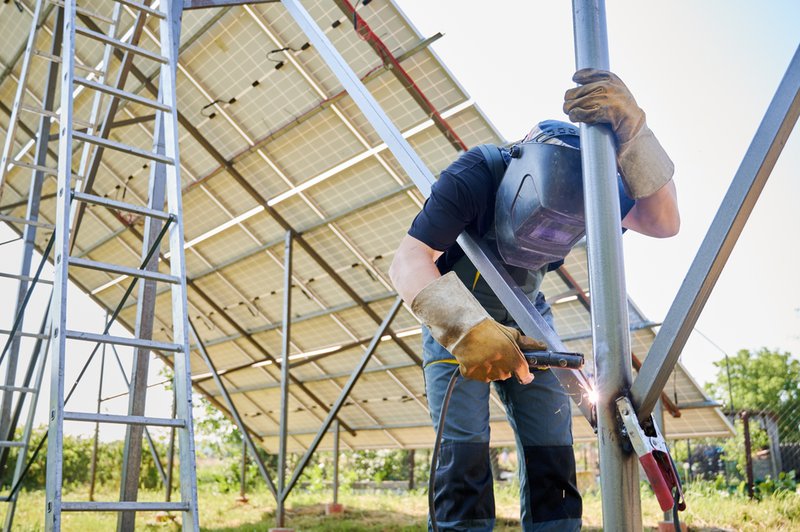
Examples of focused mobile lanes include equipment crack repair, trailer fixes, small structural repairs, handrail and gate work, or on-site bracket and support fabrication. Which lane fits you depends on your skills, your vehicle, and what your local customers request most often.
A practical starter kit is not the biggest machine you can finance. It is the smallest setup that lets you complete jobs safely and consistently.
- Power source matched to your common material range
- Leads, stingers, gun consumables, and spares you can swap fast
- Grinder setup that is ready to work, plus cutting tools as needed
- Basic fit-up tools, clamps, squares, and measuring gear
- Safety gear for you and the work area, including fire control supplies
Pricing, Paperwork, and Protection That Keep You in the Game
Many welding ventures fail for non-welding reasons. The craft is solid, but the operator underprices, skips documentation, or takes on risk they do not understand. If you want longevity, set up the boring basics early.
Start with pricing discipline. Know your hourly shop rate equivalent, then build a field rate that covers travel, fuel, consumables, tool wear, and the realities of on-site variables. Fixed quotes can work, but only after you learn how long common jobs actually take. If you are new, hourly with a clear minimum is often safer.
Next is protection. Welding creates fire, heat, and structural consequences. Insurance needs vary, so it depends on the work type, yet ignoring coverage is a fast way to lose everything on one bad day. Contracts matter too, especially when a customer asks you to weld on unknown material or on something that carries load.
Quality Control and Customer Trust: How Small Operations Win
The best marketing for a small welding operation is a repeatable outcome. Customers come back when the repair holds, looks professional, and the jobsite stays safe and clean. Quality control is not only for code shops. It is a set of habits you build into every job.
Focus on four things: fit-up, cleanliness, process choice, and verification. Fit-up reduces defect risk. Clean surfaces help prevent porosity and inclusions. Choosing the right process for the environment keeps you from fighting wind, contamination, or awkward access. Verification is your final check before you leave.
A simple close-out routine helps you look like a pro and reduces callbacks:
- Confirm full fusion where you can see it, and grind or rework obvious issues immediately
- Check attachment points, alignment, and movement, especially on gates, hinges, and brackets
- Capture clear photos for records, invoices, and future quotes
- Communicate what you did, what you did not do, and what the customer should monitor
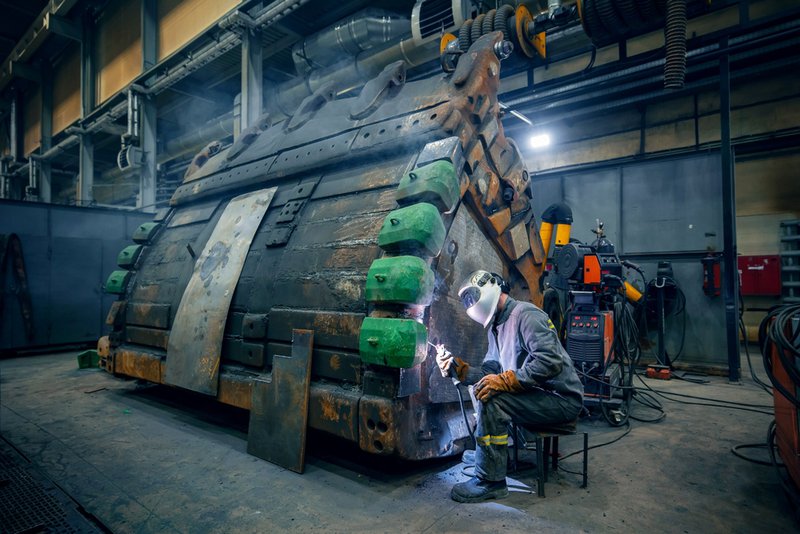
Scaling From Truck Work to a Fabrication Shop Without Breaking Cash Flow
Moving into a full-service fabrication shop is not a “bigger is better” moment. It is a shift in costs, workflow, and risk. Rent, utilities, tooling, material storage, and payroll can bury you if the job pipeline is not steady.
Before you sign a lease, make sure your service mix supports it. Mobile repair is typically cash-flow friendly. Fabrication can be profitable, yet it ties up money in materials, drawings, and rework risk. The right time to scale is when you are turning away consistent work that fits a shop model, not when you are simply tired of driving.
Consider these milestones as signs you are ready:
- You have steady repeat clients and referral flow
- You can estimate jobs with accuracy because you have job history data
- You have a process for purchasing, material tracking, and invoicing that does not rely on memory
- You can maintain safety standards and organization as workload grows
- You have enough cash reserve to survive slow weeks without panic decisions
Build Your Skills and Your Plan With Arclabs Welding School
A strong operation is built on weld quality plus business judgment. That means knowing how to run consistent joints, how to troubleshoot defects, and how to choose processes that match the job. It also means understanding when a project is outside your current capability and building a path to grow into it.
Arclabs offers comprehensive welding programs that teach the core skills every professional welder needs. Connect with us at arclabs.edu to learn about our training programs and how we prepare welders for success across all sectors of the industry. Check out all our training locations here or call 877-647-4111 to speak with an enrollment advisor about beginning your welding journey.

