
Understanding where your skills can take you is the first step toward building a sustainable career in the trades. This article explores what pipeline welding really means in the field, what daily work looks like across different settings, and how to approach your path forward.
Pipeline welding represents one of the most structured and geographically diverse paths in the welding trade. Whether you are working on new construction projects or supporting active systems, understanding the fundamentals of pipeline welding and the career options available will help you make informed decisions about your future in the industry.
Understanding the Two Main Career Paths in Pipeline Welding
Pipeline welding differs from general fabrication work in several important ways. The systems you join are under pressure, built to exacting standards, and designed to operate safely for decades. This precision requirement shapes everything about how pipeline welding is approached, from the setup procedures to the inspection methods that follow. The work demands consistency, attention to detail, and a willingness to follow standardized procedures that exist for good reason.
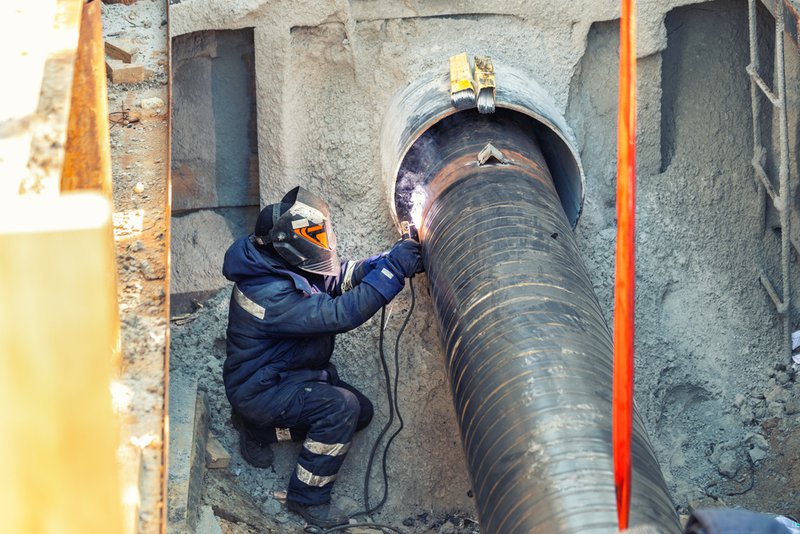
The field splits naturally into two main categories: new construction and in-service support. New construction typically involves longer runs, a production-driven pace, and a steady rhythm of fit-up, welding, inspection, and coating work.
In-service support can include repairs and modifications around active systems, where planning, permits, and safety protocols carry equal weight to your actual arc time. Both routes require solid pipe welding fundamentals, but the working conditions and daily rhythms differ significantly.
Cross-Country Spreads: Speed and Movement
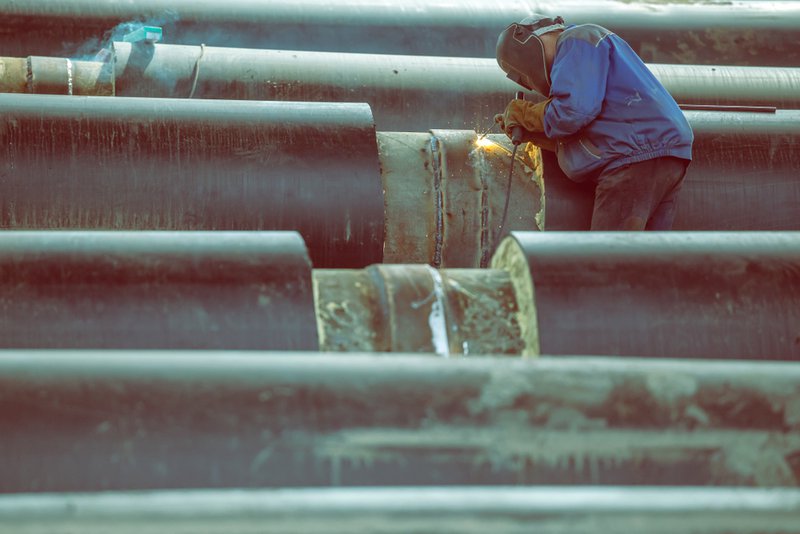
Cross-country crews, commonly called spreads, are organized for speed and consistency across large distances. Travel is a core part of the job. You may be in one state this month and another the next, with long workdays and a strong emphasis on repeatable technique.
The project structure typically follows a linear progression along transmission corridors, which means consistent pipe diameters, materials, and joint configurations for extended periods. This consistency, paired with proper setup, allows skilled welders to develop rhythm and efficiency.
This path works best if you meet these criteria:
- You are willing to live away from home for weeks or months at a time
- You thrive in structured crew environments with clear hierarchies and defined roles
- Geographical variety appeals to you and you do not mind high mobility
- You prefer consistent work with predictable daily schedules during active seasons
The rhythm on a cross-country spread creates its own lifestyle. Crews often work in camps or temporary housing near the jobsite. You are surrounded by other tradespeople, the pace is steady, and the technical challenge comes from executing the same quality weld repeatedly rather than solving new problems each day.
Regional Station and Tie-In Work: Stability and Complexity
Regional work, including station installations and tie-in connections, operates at a different tempo. You may encounter more complex geometry, tighter access constraints, and stricter coordination with other trades and contractors.
The pace can still be demanding, but schedules tend to be more stable depending on the employer and the project cycle. Rather than a long run of identical joints, you might work on five different connection configurations in a single week.
This path typically suits welders who value these characteristics:
- You prioritize being home more frequently
- You can adapt quickly to changing work conditions and shifting priorities
- A traditional employment relationship with steady local work appeals to you
- You enjoy problem-solving and technical variety
In regional settings, the technical challenge often comes from fitting pipes in confined spaces, adapting to field realities, and coordinating around other work. The inspection standards remain high, but the work itself requires flexibility and independent decision-making.
Beyond Land: Offshore and Marine Pipeline Work
Offshore pipeline and marine-related welding represents a step up in environmental complexity and equipment sophistication. The fundamentals of your pipe welding technique remain the same, but nearly everything around that technique changes.
Logistics, weather windows, safety protocols, and the higher consequences of errors create an entirely different working environment. Some offshore roles require specialized equipment operation, stricter procedure control, and additional training tied to offshore-specific safety regulations.
It is worth dispelling a common assumption: most welders do not transition directly from training into offshore pipeline positions. A more typical progression involves building solid pipe fundamentals on land-based projects first, then moving toward more demanding environments as experience grows and opportunities arise.
Offshore work is available, but hiring typically favors candidates with demonstrated land-based pipeline experience and a track record of quality work.
Building Pipeline Welding Skills: What Actually Matters
The foundation of pipeline welding success rests on mastery of core techniques, not on collecting certifications. Your ability to consistently produce sound welds under varying conditions is what employers care about most.
Essential skills every pipeline welder should develop:
- Understanding joint geometry and how to prepare pipe ends correctly for strong fusion
- Reading and following welding procedure specifications with precision
- Managing heat input, travel speed, and bead placement to achieve penetration without defects
- Recognizing common discontinuities as you work and adjusting technique mid-weld
- Conducting field fit-up efficiently and solving minor geometry issues on the fly
- Working safely around confined spaces, elevated positions, and variable weather
These skills are developed through repetition and supervised practice. You cannot shortcut this part. What you can do is seek training that emphasizes sound fundamentals, then commit to deliberate practice on the job.
Getting Started in Pipeline Welding
Building the foundation for a career in pipeline welding begins with solid training in basic pipe welding skills. At Arclabs Welding School, we understand that the trades require more than theoretical knowledge. You need hands-on instruction in sound fundamentals: proper joint preparation, heat management, position control, and the discipline required for consistent quality.
Our welding programs establish the base skills you need before specializing in any particular sector. Arclabs instructors have field experience in the trades they teach. We ground our instruction in the realities of actual jobsites, not textbook scenarios. You will learn what matters, practice it until it becomes second nature, and develop genuine competence.
Pipeline welding offers stable employment, strong compensation, and the satisfaction of building infrastructure that lasts. If you are ready to develop the core skills that open doors in this field, Arclabs welcomes you. Check out all our training locations here or call 877-647-4111 to speak with an enrollment advisor about beginning your welding journey.

