
Some weld problems start long before the first arc, and others show up hours or days after the bead looks perfect. High-strength and thicker materials can be unforgiving because heat input and cooling rate directly shape hardness, toughness, and crack risk in the heat-affected zone. That is why preheating and post-weld heat treatment are not “extra steps. They are part of making a joint that meets code, passes inspection, and survives service.
Pressure vessels, pipelines, and structural work all use these controls in different ways. The details depend on code, material grade, thickness, and service conditions. Still, the principles are consistent: control the thermal cycle, manage hydrogen risk, and reduce residual stress so the weld and surrounding base metal end up in a safer condition.
This guide explains what each step does, how requirements differ across pressure vessels, pipelines, and structural work, and which quality control habits keep procedures consistent and inspection-ready.
What Preheating Really Does in Steel and High-Strength Alloys
Preheat is about slowing the cooling rate and stabilizing the weld zone. When steel cools too fast, certain alloys can form harder microstructures in the heat-affected zone.
High hardness + residual stress + hydrogen = a classic recipe for delayed cracking. Preheating reduces that risk by keeping the joint warmer and letting hydrogen diffuse more easily.
Preheat also helps with consistency. It improves puddle behavior, reduces the chance of lack of fusion in thick sections, and can make the root and tie-in more predictable. On restrained joints, it can reduce thermal shock and lessen the severity of contraction stress as the joint cools.
A common misconception is that preheat is only for thick plate. Thickness matters, but so does carbon equivalent, restraint, ambient temperature, and the specific process used. A relatively thin part can still require preheat if the alloy is crack-sensitive or if the joint is highly restrained.
Practical preheat habits that prevent defects:
- Measure temperature with the right tools, not guesswork.
- Heat a wide enough band around the joint so temperature is uniform.
- Maintain interpass limits. Letting a joint drop too cold between passes can undo the benefit.
- Protect low-hydrogen consumables and keep the joint dry and clean.
Preheat is not about blasting a torch and hoping for the best. It is controlled temperature management that supports proven outcomes.
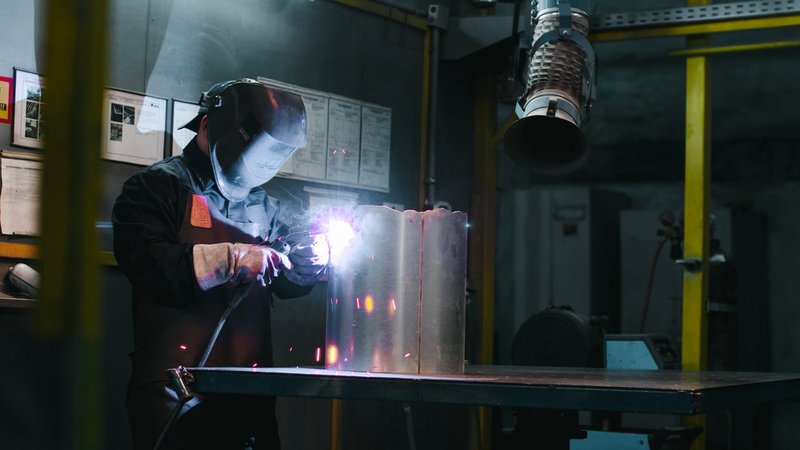
Post-Weld Heat Treatment: What it Changes and Why Codes Care
Post-weld heat treatment is a controlled heating cycle applied after welding to change properties in the weld zone and reduce residual stress. It is often called stress relief, but depending on the material, it can do more than just lower stress. It can temper hardened microstructures in the heat-affected zone, improve toughness, and reduce the risk of brittle behavior under service loads.
Post-weld heat treatment is common in pressure-retaining work since vessels and piping can experience pressure cycles, temperature swings, and critical consequences if a failure occurs. Post-weld heat treatment is specified based on material group, thickness, and service requirements.
The thermal cycle itself can reveal or change how flaws appear on inspection. This is why some codes require specific nondestructive examinations after post-weld heat treatment is complete. The timing and documentation of these inspections are critical to quality control in code work—they ensure you're actually seeing the effects of the heat treatment and catching any problems it may have exposed.
Why Post-Weld Heat Treatment Requires Discipline, Not Habit
Not every weld needs post-weld heat treatment, and applying it incorrectly can backfire. Some alloys actually lose strength if heated to the wrong temperature or held too long. This is precisely why codes and engineering standards define specific heat cycles for each material group and thickness—fabricators must follow these tables and requirements rather than relying on habit.
How Procedures Differ Across Pressure Vessels, Pipelines, and Structural Work
Pressure vessels operate under strict procedural control. Welding specifications lock in preheat and interpass temperatures, and post-weld heat treatment is typically mandatory, determined by code requirements tied to thickness and material. The objective is guaranteed mechanical properties and elimination of cracking and brittle fracture risk under cyclic pressure loads.
Pipeline work varies by grade and project. Higher-strength line pipe in cold climates or thick walls demands aggressive preheat and hydrogen control to prevent delayed cracking. Post-weld heat treatment is rare for standard cross-country welds but reappears in station piping, tie-ins, and repairs—the specification drives the answer, not industry convention.
Structural steel falls between the two. Post-weld heat treatment is often skipped, yet preheat becomes critical in thick, restrained, or high-strength joints where crack sensitivity is real. Omitted preheat surfaces during inspection or catastrophically in service—leaving no room for discovery.
The Distinction: Pressure vessels demand maximum control and documentation. Pipelines demand field reliability and crack resistance under operating conditions. Structural work demands repeatability and distortion management across large assemblies. Each reflects its own failure consequence.
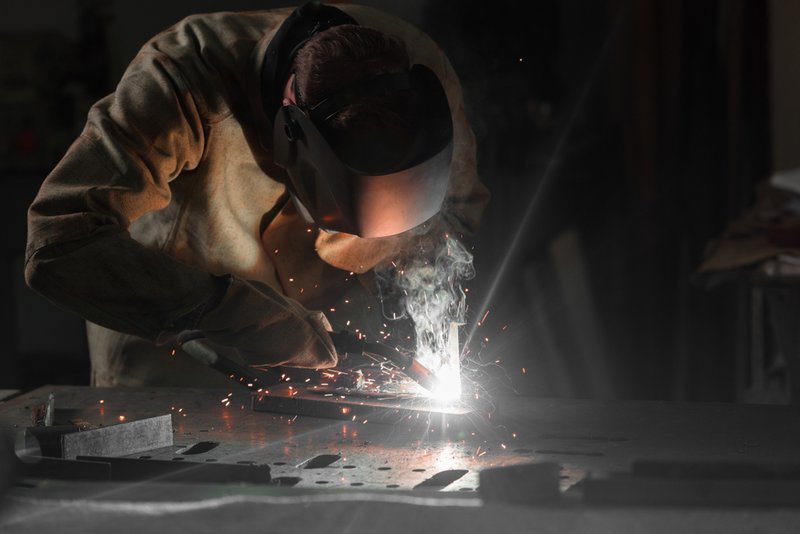
Common Mistakes That Lead to Cracks, Rejects, or Rework
Most failures around preheat and post-weld heat treatment come from inconsistency or misunderstanding the procedure. A welder may hit preheat at the start, then allow the joint to cool too far between passes. Another crew may measure temperature on the surface while the joint interior is colder than expected. Post-weld treatment failures often come from incorrect soak temperature, uneven heating, or poor thermocouple placement.
Here is a practical troubleshooting list that addresses frequent issues:
- Re-check preheat, hydrogen control, restraint, and interpass consistency if cracks appear after cooling.
- If hardness is high in the heat-affected zone, review heat input and cooling rate, then verify whether post-weld heat treatment is required.
- Evaluate weld sequence and heat balance, not only preheat level if distortion is excessive.
- If inspection rejects repeat, confirm that the procedure matches the actual joint geometry and that the crew is following it.
Quality control checks that help keep heat treatment honest:
- Verify temperature with calibrated tools and document readings when required
- Maintain interpass limits with a disciplined sequence, not improvisation
- Use proper insulation or wind protection when ambient conditions pull heat away
- Follow written post-weld heat treatment cycles carefully, including ramp rates and hold time
Master Thermal Cycles With Arclabs Welding School
Arclabs offers comprehensive welding programs designed to prepare students for real-world industry demands. Our curriculum covers the essential processes and certifications that employers across these industries expect, taught by experienced instructors who understand what it takes to succeed in the field.
Whether you're starting from scratch or looking to add certifications to your existing skills, our hands-on training approach emphasizes the practical welding skills and industry knowledge you need to compete for positions in these growing sectors.
Ready to start your welding career? Contact Arclabs Welding School today to learn about our welding programs, class schedules, and how we can help you develop the skills that industries are actively seeking. Visit us at arclabs.edu for all locations or call 877-647-4111 to speak with an admissions advisor about your welding education options.

