
Plenty of skilled tradespeople picture working for themselves, and launching a welding business offers independence, hands-on control, and the opportunity to build something lasting. However, stepping into ownership demands preparation far beyond pulling a trigger or lighting a torch. The transition from welder to business owner shifts your responsibilities, turning technical execution into just one component of a much larger operation. This guide lays out a grounded, realistic look at what it takes to build a viable foundation for a successful enterprise.
What Running a Shop Entails
Owning an operation is fundamentally different from working on a shop floor. When you run a welding business, your daily routine expands to include essential administrative and operational duties that dictate whether your company survives. You must manage cash flow, quote jobs accurately, track down materials, maintain equipment, and field customer calls.

Early on, you will also need to establish a proper legal structure, secure general liability insurance, and ensure you comply with local licensing rules. Many owners start as mobile operators, running a fully equipped rig directly to job sites to keep overhead low. Others lease a modest bay to handle shop fabrication. Regardless of your model, sustainable growth happens through steady performance rather than rapid expansion.
To stay organized and protect your bottom line, every prospective owner should master a few non-welding essentials:
- Job Costing and Bidding: Learning how to account for labor, consumables, shielding gas, overhead, and wear on equipment so your quotes remain competitive yet profitable.
- Administrative Discipline: Keeping up with billing, tax obligations, and contract documentation instead of letting paperwork stack up behind the bench.
- Client Communication: Setting clear expectations on project timelines, material limitations, and scope of work to prevent costly disputes.
Master the Core Before Launching
No trade venture survives on a weak foundation. Before taking on commercial or residential clients, you need absolute mastery of base welding skills. This means delivering sound joints, clean beads, and consistent quality across standard processes, including SMAW (stick), GMAW (MIG), and GTAW (TIG).
A broad understanding of these primary processes enables your welding business to take on varied work safely and efficiently. Blueprints and shop math belong in this core toolkit as well. You must be able to interpret joint symbols, understand material allowances, and anticipate how different metals react under thermal stress.
It is important to note that base education prepares you for general industry entry and foundational fabrication work. High-paying specialty niches, such as aerospace applications or exotic alloy piping, require advanced certifications and years of targeted experience. Rushing to market without mastering core fundamentals usually leads to reworked jobs, wasted materials, and damaged customer relationships.
Identifying Industry Demand
A new shop relies on a steady stream of contract work and repair jobs. Understanding where local demand exists helps you target the right clients from day one. Established sectors offer consistent opportunities for well-prepared contractors:
- Structural and General Fabrication: Supporting local builders, structural steel erectors, and manufacturing facilities with sub-assembly work or supplemental shop labor.
- Equipment and Fleet Maintenance: Repairing worn trailers, agricultural machinery, heavy equipment, and commercial gates for local businesses.
- Infrastructure and Energy Projects: Providing reliable contract labor for ongoing regional facility upkeep, pipeline maintenance, and support structure fabrication.
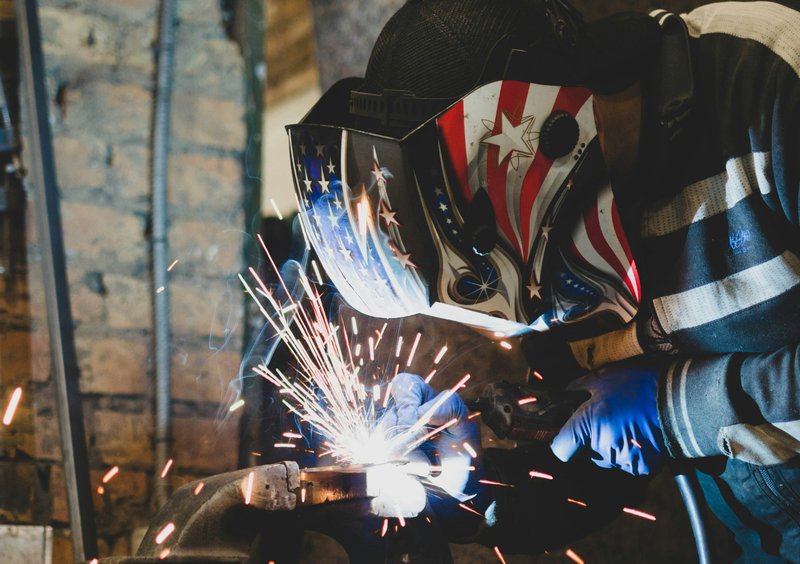
Subcontracting is often the most practical entry point for a new company. Larger contractors frequently look for qualified shop owners to handle overflow during busy production cycles. Mobile repair work also provides a steady revenue stream while you establish your trade reputation. In a localized industry, direct relationships and word-of-mouth recommendations carry far more weight than expensive marketing campaigns.
Developing the Right Mindset
Technical skill opens doors, but structured habits keep a welding business operational. Financial management is frequently the main hurdle for new owners. Expenses for shielding gases, filler metal, grinding wheels, and fuel accumulate rapidly, and material costs are often incurred long before client invoices are settled.
Longevity in this trade requires clear-eyed patience and a willingness to operate conservatively while your reputation grows. Taking on projects beyond your current skill set or equipment capacity can jeopardize both your safety and your business name. Delivering quality, code-compliant work on standard jobs builds the track record necessary to scale up over time.
Every successful welding business starts with a commitment to fundamental quality, thorough safety practices, and an honest assessment of your current capabilities.
Build Your Base with Arclabs
Long-term enterprise success starts with formal, disciplined instruction. Before you can manage a job site or quote a fabrication project, you need reliable bench skills grounded in real-world standards.
Arclabs Welding School provides hands-on training designed to establish the core skills required in today's industrial landscape. Our courses focus on standard welding processes, safety discipline, and blueprint reading, giving you the solid base needed before pursuing specialized certifications or trade ownership down the road.
Ready to build a strong foundation for your career in the trade? Contact the admissions team at Arclabs today by calling 877-647-4111 or visiting arclabs.edu to discuss your training options.

