
Welding generates extreme heat, flying sparks, and open flames that quickly transform an ordinary job site into a high-hazard environment. Professional industrial construction and field fabrication welders must understand site safety systems, hazard mitigation, and regulatory compliance. Understanding how a hot work permit works in tandem with dedicated fire watch duties protects not only the job site, but every trade worker on it.
What Is a Hot Work Permit?
A hot work permit is an official, written authorization required before any work involving open flames, heat, or spark-producing equipment can begin in a non-designated area. Field welding often takes place in chemical plants, commercial buildings, refineries, or active manufacturing facilities where combustible materials reside. Operating without this document introduces unnecessary risk and violates federal safety regulations.
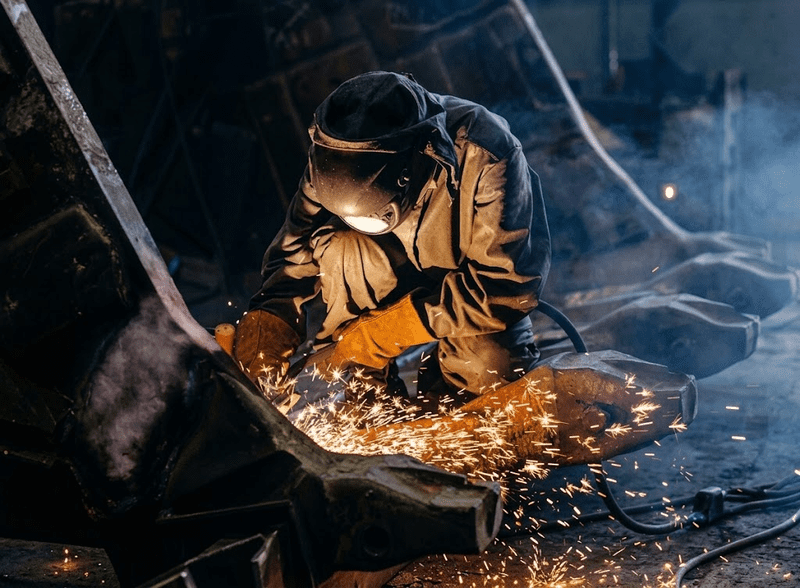
Standard safety regulations, including OSHA standard 29 CFR 1910.252 and National Fire Protection Association (NFPA) guidelines, dictate the specific controls needed before starting thermal cutting or arc welding. Authorized job site personnel issue the permit after physically inspecting the immediate work zone.
Essential Components of the Permit Checklist
Every job site utilizes a slightly different form, but a standard permit always addresses several core safety checks:
- Precise Scope and Location. Identifies the exact area, elevated platforms, or pipe runs where cutting or welding will occur.
- Time Frame and Expiration. Establishes fixed start and stop times, ensuring work does not continue past authorized supervision hours.
- Atmospheric Testing. Verifies that air monitoring checks for flammable gases or vapors returned safe levels in sensitive industrial areas.
- Combustible Material Verification. Confirms that workers relocated all movable flammables or protected non-movable items with fire-resistant blankets.
- Personnel Assignments. Documents the qualified welder, the site supervisor, and the designated fire watch team members.
Obtaining a hot work permit is not administrative red tape. It acts as an operational safety contract that ensures proper preparations occur before welding work starts.
The Core Responsibilities of the Fire Watch
Sparks generated by shield metal arc welding or oxy-fuel cutting can travel up to 35 feet horizontally. These sparks can pass through wall openings, drop through floor gratings, or land in hidden crevices containing dry debris. Since a welder wearing a dark helmet focuses entirely on the puddle, job sites require a second pair of eyes: the fire watch.
The fire watch maintains continuous monitoring of the work area during operations and stays on duty after thermal work finishes. This role requires full attention and active engagement throughout the process.
Primary Duties Before, During, and After Welding
The responsibilities of a fire watch cover three distinct phases of the welding operation:
- Pre-Work Inspection. Assesses the 35-foot perimeter around the work zone, ensuring fire extinguishers sit nearby and remain fully charged.
- Active Monitoring. Watches for stray sparks, smoldering materials, or heat conduction through metal walls, pipes, or decking while the welder works.
- Work Stoppage Authority. Exercises the right to halt welding immediately if hazardous conditions develop or if atmospheric conditions change.
- Post-Job Monitoring. Remains on site for a mandatory period, typically at least 30 minutes following the last spark, to verify no latent embers threaten the facility.
Field Collaboration: Welders and Fire Watch Personnel
Field welding requires seamless communication between the trade welder and the assigned fire watch. Before starting the machine or turning on gas cylinders, both individuals must review the active hot work permit together. This conversation clarifies the sequence of welds, potential hazard points, and emergency communication methods.
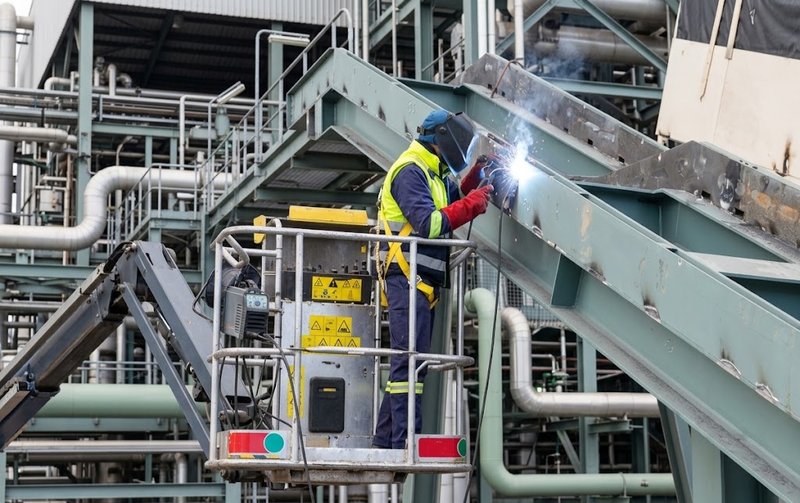
Elevated work creates unique challenges. When welding on structural steel three stories up, sparks drop to levels below. In these cases, job sites often assign additional fire watch personnel to lower floors. The welder must maintain clear lines of communication with every monitor, using air horns or two-way radios in noisy environments.
Both workers must wear appropriate personal protective equipment. While the welder wears full leather gear and a shade-appropriate welding helmet, the fire watch wears fire-retardant clothing, eye protection, and high-visibility gear. Respecting the fire watch's authority keeps the entire crew safe. If the watch signals a stop, the welder breaks the arc without hesitation to address the issue.
Your Next Step in the Trade
Safety protocols like managing a hot work permit or serving as a fire watch are foundational skills that every field welder must learn. Top industrial employers look for entry-level workers who display technical torch skills alongside a mature, safety-first mindset.
At Arclabs Welding School, we focus on delivering practical, hands-on shop training that establishes the core welding skills you need to enter the trade. Our programs concentrate on fundamental processes, equipment setup, joint design, and standard safety practices across our campuses in South Carolina and Texas.
We provide the foundational education that helps you step into the trade with confidence, preparing you to gain real-world field experience before you move on to specialized industrial certifications later in your career.
View all our locations here, send us a message, or call 877-647-4111 to connect with our team and learn about our training programs.

