
Mastering TIG welding is essential for craftsmen working on the foundational piping systems that power modern biotechnology and semiconductor manufacturing. In these high-tech environments, microscopic contamination can ruin a multimillion-dollar batch of pharmaceuticals or defect an entire silicon wafer lot.
Building cleanroom piping networks requires exceptional torch control, precise heat management, and strict cleanliness protocols. Understanding how cleanroom fabrication works helps aspiring tradespeople build strong foundational skills before advancing into high-purity applications.
What Is High-Purity Sanitary Welding?
In traditional structural fabrication, welds must primarily support heavy loads and resist physical stress. High-purity sanitary welding demands structural integrity while eliminating any surface flaw that could trap impurities.
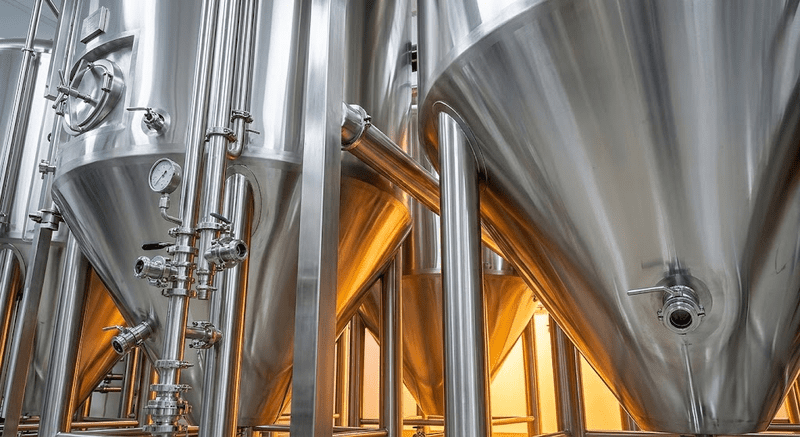
In pharmaceutical and biotechnology processing plants, fluid delivery lines must remain completely sanitary. Microscopic crevices or rough weld beads provide breeding grounds for bacteria, which form stubborn biofilms that contaminate life-saving products. To prevent this, the pharmaceutical industry adheres to strict ASME BPE (Bioprocessing Equipment) standards, which govern surface finish and internal geometry.
Semiconductor fabrication plants (known as "fabs") rely on Ultra-High Purity (UHP) gas and chemical distribution systems. These lines feed reactive, flammable, or toxic gases to processing chambers with zero room for leaks. Even tiny particulate shedding from an unrefined root pass can ruin advanced silicon microprocessors during production.
Why TIG Welding Dominates Cleanroom Fabrication
Gas Tungsten Arc Welding (GTAW), commonly known as TIG welding, serves as the primary process for UHP piping and tubing. Unlike SMAW (stick) or GMAW (MIG), this process uses a non-consumable tungsten electrode to generate the arc, giving the operator independent control over heat input and filler material.
This process provides several key advantages in ultra-clean manufacturing:
- Zero Slag or Spatter. The process relies on pure inert gas, such as argon, to shield the weld pool. It creates no flux residue, slag, or spatter to contaminate sensitive cleanroom air.
- Flawless Root Pass Control. Technicians can precise-tune heat input to achieve full penetration across thin-wall tubing without burning through the base metal.
- Back-Purging Capabilities. Fabricators fill the inside of the pipe with high-purity argon gas (99.999% pure) before striking an arc. Back-purging forces oxygen away from the back of the joint, preventing rough internal oxidation commonly called "sugaring."
Fabricators use both manual and automated processes. Manual techniques allow technicians to weld complex manifolds, tight valve assemblies, and custom fittings. Automated orbital systems handle long, continuous tube-to-tube runs across extensive facility footprints. Both approaches demand an advanced understanding of metal behavior, joint preparation, and puddle control.
Cleanroom Standards and Quality Control Protocols
Fabricating UHP systems requires strict adherence to environmental controls and rigorous testing procedures. Welders working inside active cleanrooms must follow strict protocols long before picking up a torch.
Work environment rules for cleanroom fabricators include:
- Wearing full protective gowning, including hood enclosures, cleanroom boots, and lint-free gloves.
- Cleaning all tubing segments with solvent wipes and capping pipe ends to maintain internal cleanliness.
- Using specialized stainless steel tools dedicated solely to high-purity work to avoid cross-contamination from carbon steel.
Once a joint is complete, quality control inspectors verify the internal quality of the line using non-destructive examination (NDE) tools.
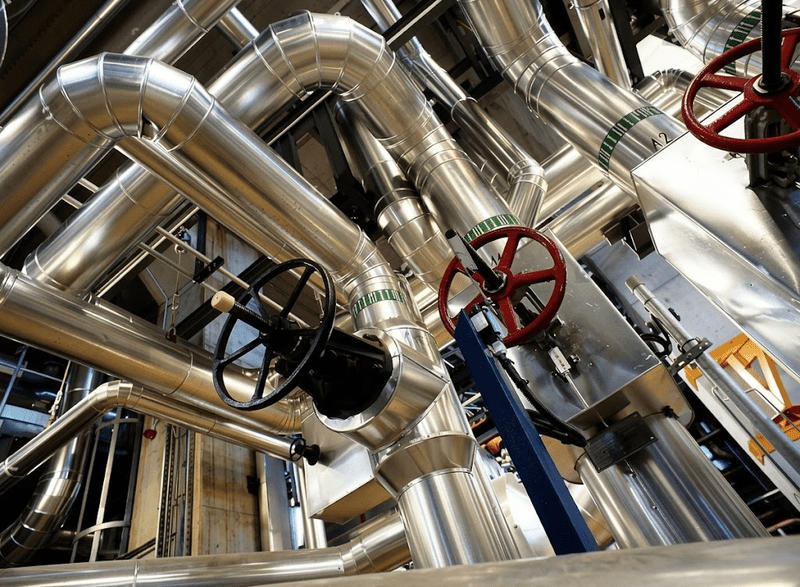
Borescopes (fiber-optic cameras) travel inside the tubing to inspect the root pass for discoloration, improper penetration, or surface roughness. Technicians also perform helium mass spectrometer leak testing to detect microscopic leaks that standard pressure tests miss.
Building Your Foundation in High-Tech Welding
High-purity fabrication offers an engaging, detail-oriented career path within advanced manufacturing, healthcare technology, and energy sectors. Modern chip-manufacturing plants and biotech facilities rely on skilled tradespeople who respect precision and high standards.
Entering this field requires patience, physical dexterity, and a strong grasp of fundamentals. Specialized cleanroom techniques and orbital machine setup build directly upon essential manual skills. Before tackling specialized sanitary tubing, you must first master basic torch positioning, heat adjustment, joint alignment, and shielding gas management on standard materials.
A solid background in foundational pipe processes gives you the muscle memory and material knowledge needed to adapt to complex code requirements later in your career.
Ignite Your Career at Arclabs
At Arclabs Welding School, we focus on equipping students with the essential, practical skills needed to launch a career in the welding industry. Our training programs emphasize hands-on shop experience, teaching you core processes like SMAW, GMAW, FCAW, and foundational TIG welding.
While high-purity cleanroom work and specialized orbital certifications require advanced, on-the-job training, your journey begins with mastering torch control and weld quality on the shop floor. Arclabs provides the structured instruction, safety training, and foundational practice you need to enter the workforce with confidence.
Ready to build a solid career foundation in the skilled trades? View all our locations here, send us a message, or call 877-647-4111 to speak with an admissions advisor about your training options.

