
The Gulf Coast region is home to a significant concentration of energy and chemical infrastructure, anchored by major refining operations in Texas and Louisiana. Within these industrial facilities, welding careers provide a practical pathway into the industrial workforce, supporting ongoing maintenance, structural modifications, and plant operations.
Building and keeping these facilities operational requires skilled workers to join, repair, and inspect heavy piping systems and pressure vessels. For individuals considering trade pathways along the Southeastern coast, understanding the specific skills, certifications, and working conditions required by regional employers is essential for building a career in the field.
Industrial Drivers Along the Gulf Coast
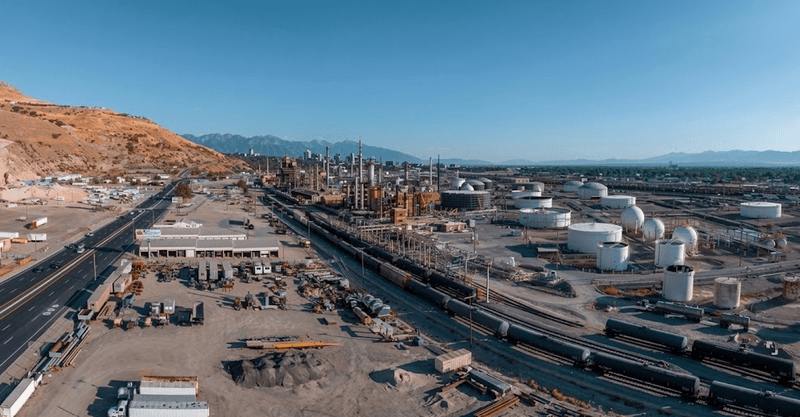
The stretch from Corpus Christi through Houston and into Port Arthur holds one of the densest concentrations of refining and petrochemical capacity in the country. Baytown, Texas City, Freeport, and Beaumont anchor this corridor. These facilities turn crude oil and natural gas liquids into fuels, plastics, and industrial chemicals.
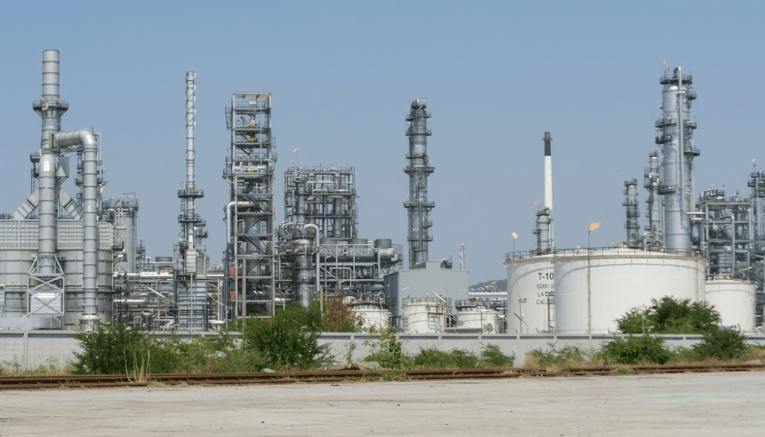
Vast networks of piping, pressure vessels, heat exchangers, and storage tanks route industrial materials continuously. Continuous pressure and severe thermal exposure cause metal degradation over time, generating ongoing demand for skilled tradespeople to manage repairs.
Although new construction often draws attention, ongoing facility maintenance provides the majority of steady employment. Welders establish lasting welding careers through active repair and replacement projects within active plants. Given the high operational risks, quality standards remain rigorous.
High-Demand Sectors for Welding Careers
Four core sectors drive the bulk of regional employment:
- Plant turnarounds: Processing units shut down on strict cycles for comprehensive inspection and overhaul. Facilities schedule these operations during spring and fall to leverage moderate weather and lower seasonal fuel demand. Contractors scale up workforces rapidly, then downsize crews once the unit restarts.
- Port and marine repair: Docks, barges, bulk terminals, and shipping vessels demand ongoing structural maintenance year-round.
- Pipeline and midstream projects: Gathering networks, transmission lines, and terminal tie-ins connect inland extraction sites directly to coastal export terminals.
- Shop fabrication: Spool yards, structural steel houses, and modular skid builders construct components for field installation, offering structured schedules distinct from field assignments.
Turnaround environments demand heavy physical output. Extended shifts, night rotations, and regular travel dictate daily operations. Field crews function at a rapid pace where supervisors expect precise execution without repeated instructions, making fluency in reading welding blueprints a fundamental requirement. Shop settings substitute that intensity for routine schedules. Both tracks offer distinct advantages depending on personal priorities.
Traditional Versus Emerging Welding Industries
Refining, petrochemical processing, midstream pipe, marine repair, structural fabrication, and power generation anchor the foundation of traditional welding careers. These sectors operate on established maintenance cycles that offer predictable planning horizons. Employers in these industries hire consistently, while overall hiring volume fluctuates alongside capital expenditure budgets.
Emerging categories demand a more measured evaluation. Liquefied natural gas export terminals, carbon capture facilities, and hydrogen infrastructure projects generate significant industrial interest across the coast. Each sector relies heavily on volatile variables including regulatory permits, private financing, and shifting energy policy. Treat these developments as supplementary opportunities rather than guaranteed anchors for welding careers.
The Southeast introduces distinct growth sectors through aerospace manufacturing and advanced industrial systems. Specialized assignments occupy precise technical niches, including automated orbital welding on complex tube assemblies. Those positions generally require seasoned professionals possessing years of hands-on field experience.
Essential Skills and Mindset for Field Welding Success
Employers along both corridors look for the same baseline capabilities before anything else:
- Process versatility: Solid execution across shielded metal arc welding, gas tungsten arc welding, gas metal arc welding, and flux-cored arc welding.
- Positional capability: Pipe welding in fixed vertical and overhead positions, extending far beyond flat or horizontal plate work.
- Preparation discipline: Rigorous standards for clean joint fit-up, edge beveling, and proper grinding habits.
- Blueprint literacy: Complete comprehension of structural symbols, weld callouts, and technical drawings.
- Safety awareness: Strict adherence to hot work permits, confined space protocols, and continuous gas monitoring.
The psychological side of the trade receives less coverage but carries identical weight. Summer temperatures along the coast turn a welding hood and heavy personal protective equipment into a pressure cooker. Working angles demand contorted body positions for hours at a time. Site leadership values punctuality, readiness, and a direct willingness to accept instructions without friction. Taking ownership of a flawed weld and remediating it immediately outweighs any attempt to hide or defend a mistake.
Choosing Your Welding Path and Next Steps
At Arclabs, our welding programs teach the core processes and positional control that employers demand from incoming personnel. Advanced specialization develops later on actual job sites once fundamental techniques withstand operational pressure. Securing the base first enables every subsequent career advancement.
By prioritizing daily repetition, independent theoretical study, physical conditioning, and active community engagement, you transform your potential into true craftsmanship. The habits you build today will define your success in the industry.
If you're ready to start building a solid foundation in your welding career, reach out to us at Arclabs. Our programs are built around intensive hands-on training, and our instructors are dedicated to helping you develop the real-world, practical skills that employers demand. Call 877-647-4111 to speak with an admissions advisor, or send us a message to learn more about your options.
Frequently Asked Questions
Do I need to live near the coast to find industrial welding jobs?
No. Fabrication shops, manufacturing plants, and heavy contractors operate extensively throughout inland areas. Coastal energy hubs simply concentrate a high volume of refining and petrochemical activity into a single geographic corridor.
How long does Arclabs welding training take?
Program durations vary based on the curriculum. Arclabs offers a 900-hour Advanced Welding Program and a 1,300-hour Master Welder Program, both designed around intensive, hands-on shop instruction.
Can I start welding training without prior experience?
Yes. Many students enter the training programs having never touched a machine. Consistent practice, physical discipline, and strict attention to instructor guidance build proficiency rapidly.
How much math is required for a welding career?
Practical shop math is a daily requirement. Measuring, working with fractions, calculating angles, and applying basic geometry are standard tasks, but advanced academic coursework is unnecessary.
What is the difference between shop fabrication and field welding?
Shop roles typically provide indoor working conditions and structured, repeatable routines. Field roles involve variable weather, travel, changing job sites, and physically demanding environments.

