
Proper care of your welding equipment directly impacts your safety, your arc quality, and the lifespan of your machine. Every experienced welder knows that even high-end power sources perform poorly when connected to damaged leads, clogged drive rolls, or worn ground clamps.
Equipment care is a foundational skill in welding. Before you master advanced joint configurations or specialize in pipeline, structural, or pipe fitting work, you must understand how to keep your core machinery running safely and reliably. This guide breaks down essential inspection and maintenance routines every welder should practice.
1. Pre-Inspection Safety Protocols
Before touching any internal components or adjusting connections, secure your environment. Safety is non-negotiable in a working shop or training facility.
- Disconnect the Power Source. Turn off the machine and unplug it from the wall outlet or generator. For hardwired units, execute proper lockout/tagout (LOTO) procedures.
- Wear Appropriate PPE. Even during routine maintenance, wear dry safety glasses and heavy-duty work gloves to protect against sharp metal edges and electrical discharge from residual capacitor charges.
- Clear the Surrounding Area. Ensure your workspace is dry and free of combustible materials, dust, or standing water.
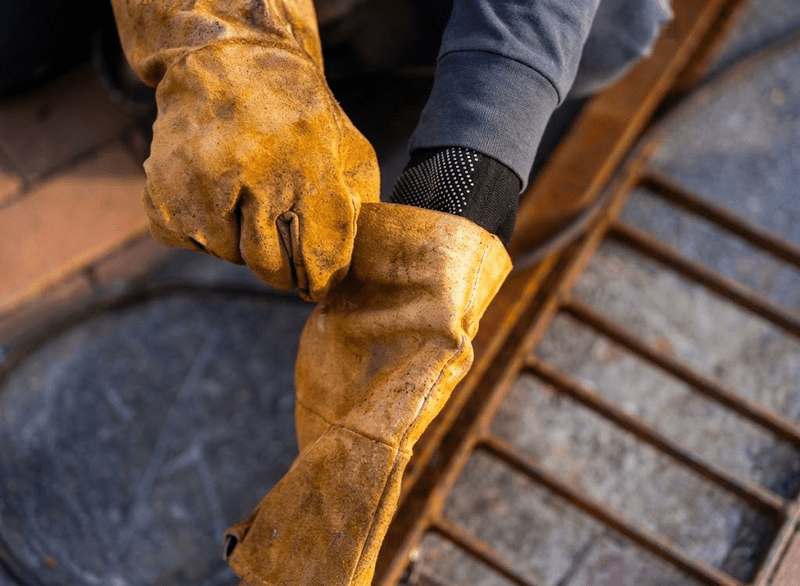
Taking these three preliminary steps protects you from sudden electric shock and prevents accidental machine start-ups while your hands are near internal parts.
2. Inspecting Cables, Clamps, and Terminals
Welding cables carry high amperage across your workspace. Over time, dragging leads across sharp steel plates, concrete floors, or hot metal damages the insulation and degrades electrical conductivity.
Cable Jacket Integrity
Unroll your welding leads completely and run them through your gloved hands. Look closely for cuts, deep abrasions, chemical damage, or exposed copper wiring.
Minor surface scuffs on outer jackets are common in daily shop environments. However, if you spot bare copper wire or heavy jacket cracking within ten feet of the electrode holder or ground clamp, stop immediately. Damaged insulation near the operator creates a direct shock hazard. Replace worn lead sections or repair them using approved heavy-duty heat-shrink tubing.
Terminal Connections and Lugs
Check where your cables connect to the machine chassis. Loose lug nuts or worn quick-disconnect fittings create electrical resistance. High resistance generates excess heat at the panel, which drops voltage at the arc and damages internal output studs. Tighten all connection points firmly before starting your work shift.
Ground Clamps and Electrode Holders
Examine the jaw surfaces of your ground clamp and stinger. Clean away spatter buildup, rust, and dirt using a wire brush to ensure solid metal-to-metal contact. Weak spring tension or cracked insulation handles on an electrode holder reduce control and disrupt current flow, leading to arc instability.
3. Power Source and Machine Maintenance
Your power source relies on consistent airflow and clean internal components to prevent thermal overload during heavy production runs.
Clearing Internal Dust
Metal grinding dust, mill scale, and airborne debris collect inside machine cabinets over time. Because metallic dust conducts electricity, significant buildup on circuit boards or transformer windings can cause short circuits.
Unplug the unit, remove the outer cover sheets according to manufacturer guidelines, and use clean, dry compressed air at lower pressure (below 30 PSI) to blow out accumulated dust. Focus on fan blades, heat sinks, and air intake vents.
Process-Specific Inspections
Depending on the process you run, check these specific mechanical components:
- MIG (GMAW). Inspect wire drive rolls for proper groove size, alignment, and tension. Clean out wire shaving buildup inside the feeder housing, and blow out the torch liner using dry compressed air to ensure smooth wire feeding.
- TIG (GTAW). Check gas hoses for small cracks or loose fitting clamps. Spray threaded gas joints with an approved leak-detection solution to verify airtight seals. Inspect the torch body for cracked insulation.
- Stick (SMAW). Verify that selector switches and current adjustment dials turn smoothly without binding or gritty resistance.
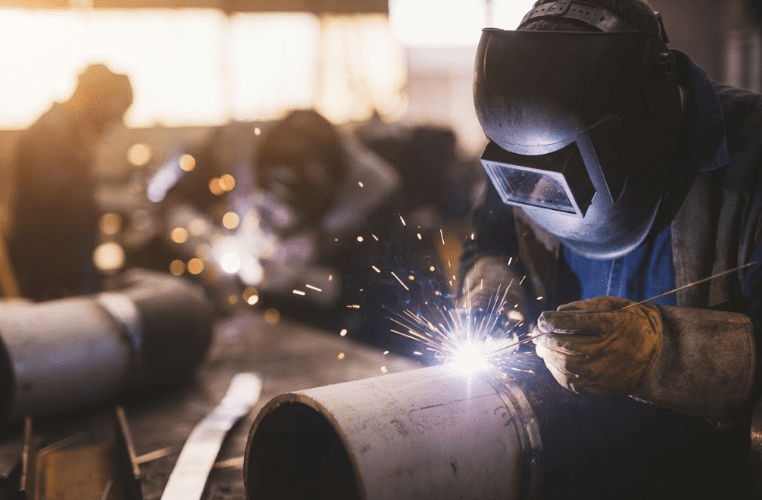
Establishing a consistent maintenance routine for your core welding equipment keeps your machine operating within factory specifications and prevents unexpected downtime during critical projects.
4. Proper Storage and Handling
How you store your gear between shifts matters just as much as how you use it on the shop floor. Careless storage habits quickly ruin good cables and torch assemblies.
- Coil Cables Loosely. Never tie tight knots or kink welding leads. Coil them in wide, natural loops to prevent internal copper strands from snapping over time.
- Elevate Equipment Off Floors. Use wall hooks, cable racks, or machine brackets to store leads off the ground. Keeping cables off shop floors prevents foot traffic and heavy machinery like forklifts from crushing the insulation.
- Control Your Environment. Store portable machines and leads in dry, clean spaces away from rain, chemical fumes, and high moisture areas that promote internal corrosion.
Master the Gear, Master the Craft
Knowing how to inspect, maintain, and respect your welding equipment is one of the first steps toward becoming a skilled craftsperson.
At Arclabs Welding School, our hands-on training courses focus on building the fundamental skills, safety habits, and practical techniques required in modern manufacturing and construction industries. We provide the entry-level education you need to establish strong trade fundamentals before you move on to specialized certifications or advanced field work.
Arclabs instructors go beyond simple theoretical instruction by working directly alongside students on the shop floor. Through this hands-on, side-by-side guidance, students learn to recognize the tactile and visual differences between successful and flawed welds. Receiving immediate, professional feedback of this caliber is essential for building lasting trade expertise.
With hands-on labs, experienced instructors, and a focus on real-world skill development, we’re ready to serve the next generation of welders. View all our locations here, send us a message, or call 877-647-4111 to speak with an admissions advisor about your training options.

