
Achieving a clean root pass on stainless steel or titanium pipe requires more than steady hand control; it relies on controlling the atmospheric environment inside the joint. Proper back purging replaces ambient oxygen inside the pipe with an inert shielding gas before striking an arc. When this step is skipped, the extreme heat of welding causes molten metal to react violently with oxygen on the back side of the joint.
This chemical reaction forms a dark, crusty oxide scale that welders call "sugaring." From sanitary food processing lines to chemical plants and aerospace assemblies, understanding the physics behind back purging is essential for producing code-compliant welds.
Why Oxygen Destroys the Root Pass
Stainless steel relies on a thin, microscopic film of chromium oxide across its surface to resist corrosion. High heat breaks down this protective layer. Once the metal rises past roughly 800°F during welding, chromium rapidly binds with atmospheric oxygen. Since the inside diameter of an unpurged pipe traps stagnant air, there is nothing to stop severe oxidation from consuming the molten metal.
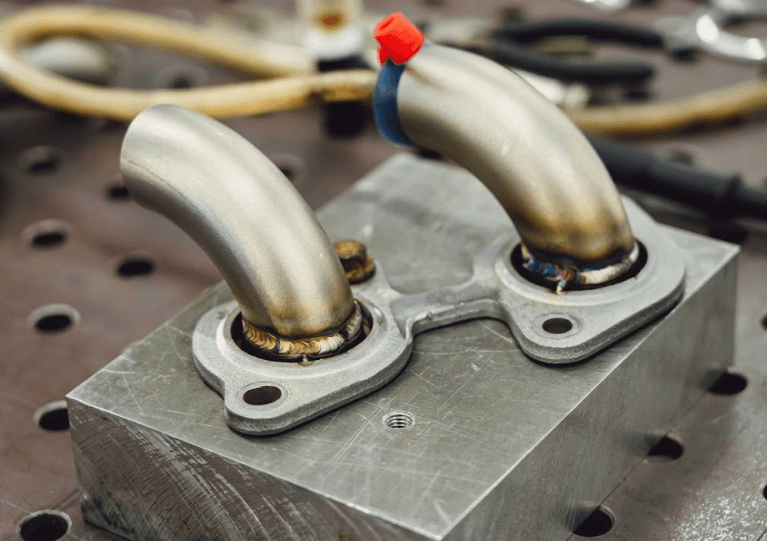
Sugaring is far worse than surface discoloration. It is a porous, brittle crust that ruins the mechanical and chemical integrity of the joint:
- Corrosion Resistance Loss: The oxidation process depletes chromium from the surrounding metal, creating weak points where pitting and stress corrosion cracking quickly form.
- Flow Contamination: In high-purity piping, the rough texture of sugared metal catches debris and provides pockets where bacteria can grow.
- Structural Failure: The porous oxide layer compromises joint strength, leading to root defects that fail non-destructive testing (NDT).
Titanium reacts even more aggressively to atmospheric gases. At elevated temperatures, titanium absorbs oxygen, nitrogen, and hydrogen directly into its crystalline structure. This embrittlement penetrates deep into the heat-affected zone. Surface grinding cannot remove this contamination, meaning a compromised titanium weld usually must be completely cut out and scrapped.
Building an Effective Purge Dam
A purge dam isolates the weld area so inert gas can displace atmospheric air quickly without wasting expensive argon. Sloppy dam setups often cause root failures even when the welder has flawless torch technique.
Effective containment relies on applying specific field setup practices:
- Isolate the Volume: Place dams within 6 to 12 inches on either side of the joint seam. Keeping the enclosed volume small reduces purge times and conserves gas.
- Select the Right Material: Use water-soluble paper or film for piping systems that will be hydro-tested, as these materials dissolve during system flushing. Use inflatable rubber bladders or silicon plugs for larger-diameter spools where tools can be pulled out manually after welding.
- Establish Gas Flow Direction: Introduce heavy inert gases like argon low in the dam assembly and place the exhaust vent at the highest point. Argon is denser than air, so it fills the pipe from the bottom up and pushes lighter atmospheric air out the top.
- Manage Root Gap Sealing: Tape the exterior root gap with heavy-duty aluminum tape. Peel the tape back in small sections ahead of the torch as welding progresses to prevent air from leaking into the dam cavity.
Monitoring Oxygen Concentration and Gas Shielding
Relying on timing estimates to judge a purge often leads to wasted gas or contaminated metal. Using a dedicated oxygen analyzer removes the guesswork by providing exact measurements of residual atmospheric gas in parts per million (ppm).
Standard austenitic stainless steel projects typically require an oxygen level below 100 ppm before welding begins, though high-purity sanitary codes often require readings below 50 ppm. Titanium requires an exceptionally clean environment, usually needing oxygen levels reduced to single digits or low teens due to its extreme reactivity. Always position the analyzer sensor at the exhaust vent rather than the gas inlet to measure what is actually left inside the enclosure.
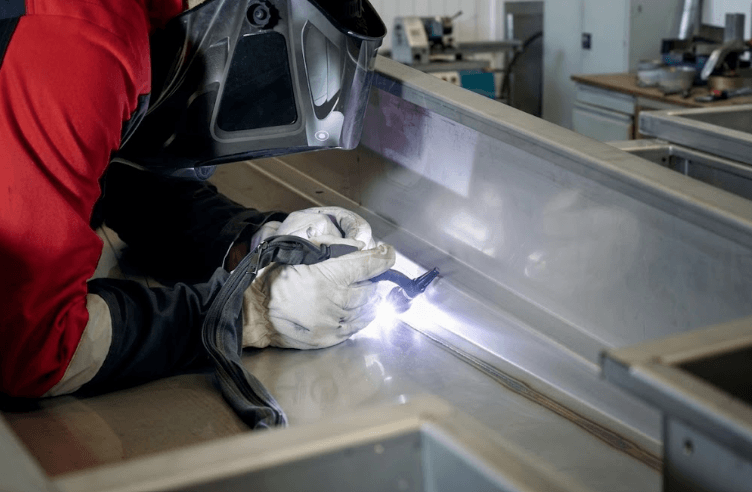
Maintaining proper gas coverage also extends to the torch nozzle on the face of the weld. Using large gas cups equipped with gas lenses helps smooth out turbulence and spreads protective gas evenly over the hot metal.
Post-flow time is equally critical. Keep shielding gas flowing through the torch nozzle for 10 to 20 seconds after the arc terminates. Metal continues to oxidize until it drops well below critical reaction temperatures, making adequate post-flow an easy way to protect the finished crater.
Foundation First: Building the Right Skills with Arclabs
Understanding high-purity processes like back purging is a key step in a welder's technical development. However, advanced purge techniques depend on a solid foundation in core welding processes. Before managing internal gas flow or welding reactive alloys, a welder must master fundamental puddle control, maintain consistent arc length, and manage heat input.
Arclabs Welding School focuses on providing practical hands-on training to build these essential core competencies. Our courses give students the foundational shop hours and real-world skills necessary to prepare for entry-level fabrication roles, setting up the practical groundwork required before pursuing specialized field certifications.
Ready to take the first step toward a practical trade education? Contact Arclabs Welding School online or call 877-647-4111 today to speak with an admissions advisor about our training programs and explore your options.

